
January 8, 2026
Protecting the trees on your Susquehanna County property means understanding their needs throughout the year. Our local climate presents unique challenges and opportunities for tree health, demanding a strategic approach to care. This guide provides essential seasonal insights to keep your trees thriving, ensuring their beauty and longevity for years to come.
Key Takeaways
- Susquehanna County’s climate and specific local regulations, like those in Susquehanna Township, heavily influence effective tree care strategies.
- Year-round care, tailored to each season, is crucial for preventing disease, managing pests, and promoting robust tree growth.
- Property owners must be aware of prevalent local threats such as Hemlock Woolly Adelgid, Emerald Ash Borer, and various tree diseases.
- Understanding when to perform tasks like pruning, watering, and pest management can significantly impact your tree’s health and reduce future issues.
- While some tasks are suitable for DIY, complex removals, extensive pruning, or disease diagnosis require the expertise of a professional arborist.
- Costs for tree services in the area vary, making it important to obtain detailed estimates from reputable local providers like Top Notch Tree Care.
What is Seasonal Tree Care and Why Does it Matter in Susquehanna County?
Seasonal tree care is the practice of adjusting tree maintenance activities to align with the changing needs of trees throughout the year. This proactive approach ensures trees receive optimal support, protecting them from seasonal stressors like extreme weather, pests, and diseases. For homeowners and property managers in Susquehanna County, understanding these cycles is key to maintaining a healthy, vibrant landscape.
- Adapting to Local Climate: Susquehanna County experiences distinct seasons, each bringing different challenges and opportunities for tree health. Proper seasonal care helps trees cope with temperature swings, rainfall variations, and potential droughts.
- Pest and Disease Prevention: Many tree pests and diseases are seasonal. Timely inspections and treatments can prevent minor issues from becoming major problems.
- Structural Integrity: Regular, appropriate pruning during specific seasons promotes strong branch development and reduces the risk of storm damage.
- Long-Term Health: Consistent seasonal care contributes to the overall vitality and lifespan of your trees, enhancing your property’s value and aesthetic appeal.
Understanding Susquehanna County’s Unique Tree Environment
The Susquehanna County environment presents unique factors that influence tree health and care requirements. From specific local regulations to a changing climate and persistent threats from invasive species, understanding these elements is vital for effective tree management.
Local Climate Impact on Tree Health
Susquehanna County’s climate is experiencing shifts that directly impact local tree populations. Rising temperatures and altered rainfall patterns put stress on trees, making them more vulnerable to pests and diseases.
- Increasing Temperatures: An almost 2°F increase since the mid-20th century, with winter temperatures rising significantly, can disrupt natural dormancy cycles and extend pest activity periods.
- Extreme Rainfall Events: While overall rainfall is increasing, it often comes in heavy downpours, leading to soil erosion and nutrient runoff, followed by potential drought conditions that stress root systems.
- Drought Conditions: Periods of drought, as seen in 2022, can lead to increased tree mortality, especially for sensitive species like oak and white pine.
- Hardiness Zone Shifts: Climate projections suggest shifts in hardiness and heat zones, meaning some tree species may struggle while others thrive, altering the local arboreal landscape.
Navigating Susquehanna Township Tree Regulations
Navigating local ordinances is crucial for any property owner in Susquehanna County, particularly within municipalities like Susquehanna Township. The Shade Tree Commission regulates trees within public rights-of-way, requiring permits for specific activities.
- Permits for Public Trees: You’ll need a permit for planting or removing trees within township rights-of-way.
- Trimming Regulations: Permits are required for trimming or pruning beyond maintaining minimum height clearances (14 feet above streets, 8 feet above sidewalks). No permit is needed for cutting dead branches or maintaining minimum heights.
- Property Owner Responsibility: Property owners are responsible for the health, appearance, and safety of shade trees in the tree lawn and public right-of-way.
- Removal and Replacement: If a tree removal permit is granted, the stump must be ground 6 inches below ground, and a replacement tree must be planted. A Licensed & Insured arborist may be needed for risk assessments.
- Root Encroachment: Pennsylvania law allows property owners to trim encroaching tree roots on their property, but reasonable care must be exercised to avoid unnecessary harm to the tree.
Seasonal Tree Care Calendar for Susquehanna County
To ensure your trees remain healthy and resilient, it’s essential to follow a seasonal care calendar. Each season presents specific tasks and considerations for trees in our local area.
Spring Tree Care: Awakening Your Landscape
Spring is a time of awakening for trees, requiring careful attention to encourage healthy growth and prepare for the active growing season.
- Dormant Pruning (Late Winter/Early Spring): This is the best time to prune most deciduous trees before new leaves emerge. It allows for clear visibility of the tree structure and minimizes stress. Remove dead, damaged, or crossing branches.
- Fertilization: Apply slow-release fertilizers to provide essential nutrients as trees break dormancy, especially if soil tests indicate deficiencies.
- Pest and Disease Inspection: Look for early signs of insect activity or fungal diseases as temperatures rise. Early detection is key to effective treatment.
- New Plantings: Spring is an excellent time to plant new trees, giving them the entire growing season to establish roots before winter.
Summer Tree Care: Vigilance Against Pests and Drought
Summer in Susquehanna County demands vigilance, as trees face potential drought, heat stress, and increased pest and disease pressure.
- Watering: Provide deep, infrequent watering during dry spells, especially for young trees or those showing signs of stress. Aim for moist soil at the root zone.
- Pest Monitoring: Regularly inspect leaves, bark, and branches for signs of common summer pests like aphids, spider mites, or early signs of the Spotted Lanternfly.
- Disease Management: Watch for fungal issues that thrive in warm, humid conditions, such as powdery mildew or anthracnose. Prompt treatment can limit spread.
- Minor Pruning: Remove small, crossing, or weak branches. Avoid heavy pruning, as it can stress trees during hot weather.
Fall Tree Care: Preparing for Winter’s Chill
Fall is a critical period for preparing trees for the harsh winter ahead. Proper care now can prevent significant damage during the colder months.
- Deep Watering: Continue deep watering until the ground freezes, especially for evergreens and newly planted trees. This helps them store moisture for winter.
- Leaf Raking and Cleanup: Remove fallen leaves to reduce overwintering sites for pests and diseases. Dispose of diseased leaves properly.
- Tree Inspection: Check for any storm damage or structural weaknesses that could worsen with winter snow and ice. Address these before heavy snowfall.
- Protect Young Trees: Apply mulch around the base of young trees to insulate roots and retain moisture. Consider tree wraps for thin-barked species to prevent sunscald.
Winter Tree Care: Protection and Planning
While trees appear dormant in winter, this season is crucial for protection, planning, and specific maintenance tasks that benefit long-term health.
- Protection from Winter Damage: Protect vulnerable trees from heavy snow and ice accumulation. Gently brush off snow from branches to prevent breakage.
- Dormant Oil Application: For certain pest issues, dormant oil sprays can be effective in late winter to smother overwintering insect eggs and larvae.
- Tool Maintenance: Use the off-season to clean, sharpen, and repair your tree care tools, ensuring they’re ready for spring.
- Planning: Review your landscape and plan for any major tree work, such as removals or significant pruning, that might be best done in late winter before spring growth begins. Contact Top Notch Tree Care for expert advice and scheduling.
Common Tree Pests and Diseases in Susquehanna County
Susquehanna County’s trees face a range of threats, from invasive insects to common fungal and bacterial diseases. Identifying these issues early is vital for effective management.
Identifying Local Threats
Our region is constantly battling several invasive species and persistent pests that can devastate local tree populations. Knowing what to look for can save your trees.
- Hemlock Woolly Adelgid (HWA): This tiny insect attacks hemlock trees, feeding on sap and causing needle discoloration and branch dieback. Look for white, cottony masses at the base of hemlock needles. It thrives in warmer climates.
- Emerald Ash Borer (EAB): This invasive beetle systematically kills ash trees. Signs include D-shaped exit holes on bark, S-shaped galleries under the bark, and canopy dieback.
- Spotted Lanternfly: Spreading rapidly across Pennsylvania, this invasive planthopper feeds on many plant species, including fruit trees, grapevines, and hardwoods. Look for egg masses, black sooty mold, and weeping sap on tree trunks.
- Spongy Moth (formerly Gypsy Moth): These caterpillars defoliate a wide range of trees, especially oaks. Outbreaks can cause significant forest damage. Look for hairy caterpillars and egg masses on tree trunks.
Prevalent Tree Diseases in Pennsylvania
Beyond pests, several fungal and bacterial diseases are prevalent in Pennsylvania, and Susquehanna County trees are not immune. Climate factors can often exacerbate these conditions.
- Anthracnose: Affects sycamore, oak, maple, ash, and dogwood. Causes irregular brown spots on leaves, twig dieback, and cankers.
- Dutch Elm Disease: A devastating fungal disease for American elms, leading to rapid wilting and defoliation. Spread by elm bark beetles.
- Oak Wilt: A severe fungal disease, particularly for red and live oaks, causing rapid wilting and leaf discoloration. Spread by sap beetles and root grafts.
- Armillaria Root Rot: Affects a wide range of species, causing decay in roots and the lower trunk, leading to canopy thinning and eventual tree death. Look for mushroom clusters at the base.
- Beech Leaf Disease: An emerging threat causing dark green, thickened bands between veins on beech leaves, leading to defoliation and tree decline.
- Bacterial Leaf Scorch: Affects oaks, maples, sycamores, and elms, causing premature browning and scorching of leaf margins.
- Verticillium Wilt: A common vascular disease in deciduous trees, causing wilting, yellowing, and dieback of branches, often on one side of the tree.
When to Call a Professional: DIY vs. Expert Tree Care
Deciding whether to tackle tree care yourself or hire a professional is a common dilemma. For residents of Susquehanna County, understanding the scope of work and potential risks can guide your decision.
| Consideration | DIY Approach (Small Scale) | Professional Arborist |
| Minor Pruning | Small, accessible branches (under 10 ft), removal of dead twigs. Requires basic tools and safety gear. | Complex cuts, large branches, canopy shaping, and disease-specific pruning. Ensures tree health and structural integrity. |
| Tree Removal | Very small saplings or shrubs. Requires minimal equipment and no risk to property. | Any tree near structures, power lines, or of significant size. Requires specialized equipment, training, and insurance for safety. |
| Pest/Disease Diagnosis | Basic visual inspection for obvious signs. General knowledge of common issues. | Accurate identification of specific pests/diseases, development of targeted treatment plans, and prevention strategies. Uses scientific methods. |
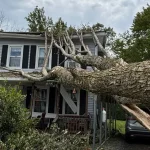
| Storm Damage Cleanup | Small, easily accessible fallen branches. No heavy lifting or hazardous conditions. | Large fallen trees, hanging branches, and emergency services. Requires heavy equipment, safety protocols, and rapid response. |
| Tree Health Assessment | Observation of obvious changes (leaf color, growth). | Comprehensive evaluation of tree structure, root system, nutrient deficiencies, and overall vitality. Provides long-term care recommendations. |
| Cost vs. Risk | Lower immediate cost, but high risk of injury, property damage, or incorrect tree care leading to future problems. | Higher upfront cost, but minimizes risk, ensures correct procedures, and protects your property and tree health investment. |
Mistakes to Avoid in Seasonal Tree Care
Even with good intentions, homeowners can make mistakes that harm their trees. Avoiding these common pitfalls helps ensure your trees remain healthy and safe.
- Over-Pruning or ‘Topping’: Removing too much of the tree’s canopy at once, or ‘topping’ (cutting main branches back to stubs), severely stresses the tree, promotes weak growth, and can lead to its decline or death. Always use proper pruning techniques.
- Incorrect Watering: Both overwatering and underwatering are detrimental. Overwatering can lead to root rot, while underwatering causes stress and makes trees vulnerable to pests. Aim for deep, infrequent watering.
- Ignoring Local Regulations: Failing to obtain necessary permits for tree work in public rights-of-way can result in fines and legal issues, especially in areas like Susquehanna Township.
- Using Improper Tools or Techniques: Dull tools can tear bark, creating entry points for disease. Incorrect cuts can damage the tree’s ability to heal. Always use sharp, clean tools and follow arborist-approved techniques.
- Planting the Wrong Tree in the Wrong Place: Selecting a tree species not suited for Susquehanna County’s climate or planting it too close to structures or power lines creates long-term problems.
- Delaying Professional Help: Waiting too long to address pest infestations, diseases, or structural issues can turn a manageable problem into an irreversible one. Early intervention by an arborist saves trees and money.
Choosing the Right Tree Care Partner in Susquehanna County
Choosing the right partner for your tree care needs in Susquehanna County is essential. You need a company that understands local conditions, has the expertise, and prioritizes safety and customer satisfaction.
- Local Expertise: Look for a company with a strong presence in the local area, like Top Notch Tree Care in New Milford, PA, that understands Susquehanna County’s specific climate, tree species, and regulations.
- Licensed & Insured Arborists: Ensure the team includes Licensed & Insured Arborists who have demonstrated knowledge and expertise in tree biology, diagnosis, and care.
- Insurance and Licensing: Verify that the company is fully insured (liability and workers’ compensation) and licensed to operate in Pennsylvania. This protects you from potential liabilities.
- Safety Record: Inquire about their safety protocols and track record. Tree work can be hazardous, and a commitment to safety is non-negotiable.
- References and Reviews: Check online reviews and ask for local references to gauge customer satisfaction and the quality of their work.
- Clear Communication and Estimates: A reputable company will provide clear, detailed estimates and maintain open communication throughout the project, addressing all your questions and concerns.
Frequently Asked Questions
What are the local tree regulations in Susquehanna Township?
Susquehanna Township requires permits for planting and removing trees within public rights-of-way, and for trimming beyond maintaining minimum height clearances. Property owners are responsible for maintaining shade trees in the tree lawn, including pruning dead branches and removing dead trees. Always check with the local Shade Tree Commission before starting major work.
How much does tree removal typically cost in Susquehanna County?
The cost of tree removal in Susquehanna County varies significantly based on tree size, location, species, and complexity. Small trees might cost $200-$500, while large, hazardous trees could range from $1,000 to over $3,000. Always get a free, detailed estimate from a professional service like Top Notch Tree Care.
What are the most important seasonal tree care tasks?
Spring is ideal for pruning most deciduous trees before new growth emerges, and for fertilizing. Summer focuses on monitoring for pests and diseases, and watering during dry spells. Fall is for raking leaves, inspecting for winter damage, and deep watering. Winter involves protective measures against cold and ice, and planning for spring.
What common tree pests and diseases affect trees in Susquehanna County?
Common threats include Hemlock Woolly Adelgid, Emerald Ash Borer, Spotted Lanternfly, and Spongy Moth. Diseases like Anthracnose, Oak Wilt, and Armillaria Root Rot are also prevalent. Regular inspections and prompt action are crucial for managing these issues effectively.
How can I tell if my tree needs professional care?
Signs include discolored or wilting leaves, unusual growths, insect infestations, dead branches, cracks in the trunk, or leaning. If you notice any of these, especially after a storm or prolonged drought, contact a Licensed & Insured arborist for a professional assessment to prevent further damage or safety hazards.
When should I hire a professional arborist instead of doing DIY tree care?
While minor pruning or watering can be DIY, complex tasks like large tree removal, extensive pruning, or diagnosing diseases require professional expertise. Arborists have the equipment, training, and insurance to perform these jobs safely and effectively, protecting both your property and the tree’s health.
Final Thoughts: Year-Round Tree Care That Protects Your Property
Maintaining the health and beauty of your trees in Susquehanna County requires consistent, informed care throughout the year. Understanding the unique local climate, specific pests, and township regulations helps you protect your landscape investment. For expert guidance and professional service that ensures your trees thrive, reach out to Top Notch Tree Care. Our team is ready to provide the specialized care your trees deserve.