
January 6, 2026
Trees are vital to Pennsylvania’s landscape, but knowing when to prune them is critical for their health and longevity. Pennsylvania’s distinct seasons and diverse climate zones mean that universal pruning advice often falls short. Pruning at the wrong time can stress your trees, invite disease, and even stunt their growth, turning a helpful act into a harmful one.
Key Takeaways
- The dormant season (late fall to early spring) is generally ideal for most deciduous trees in Pennsylvania, minimizing stress and promoting quick healing.
- Evergreen trees can be pruned almost any time, but late winter to early spring, avoiding extreme temperatures, is often best for shape and health.
- Flowering trees should be pruned immediately after their blooms fade to preserve next year’s flowers.
- Always consider local Pennsylvania regulations and potential permit requirements before undertaking significant tree work.
- Professional arborists, like those at Top Notch Tree Care, offer the expertise to prune safely and effectively, especially for large or complex jobs, mitigating risks and ensuring proper technique.
What is Tree Pruning and Why Does it Matter for Pennsylvania Trees?
Tree pruning is the selective removal of branches or stems from a tree or shrub. This practice isn’t just about aesthetics; it’s a critical component of tree care that promotes health, safety, and structural integrity.
Key Purposes of Tree Pruning
The purpose of pruning extends beyond simply cutting branches. Each cut serves a specific goal, contributing to the tree’s overall well-being and appearance.
- Health: Removing dead, diseased, or damaged branches prevents decay and the spread of pathogens, improving the tree’s vitality.
- Safety: Eliminating weak or overhanging branches reduces the risk of them falling and causing injury or property damage.
- Structure: Shaping young trees creates a strong framework, while pruning mature trees corrects structural imbalances and improves resilience against storms.
- Aesthetics: Enhancing the tree’s natural form, promoting flower or fruit production, and maintaining desired size and shape.
- Clearance: Keeping branches away from buildings, utility lines, and walkways.
Understanding Pennsylvania’s Climate Zones and Their Impact on Pruning
Pennsylvania boasts a varied climate, ranging from humid continental in the east to more temperate conditions in the south. These regional differences, along with seasonal temperature swings, directly influence how and when trees respond to pruning. Understanding your specific local conditions within PA is crucial.
Pennsylvania’s Hardiness Zones and Seasonal Shifts
Pennsylvania falls primarily within USDA Plant Hardiness Zones 5b to 7a. These zones dictate which plants can thrive, but they also offer clues about tree dormancy cycles and ideal pruning windows. The timing of the last frost in spring and the first frost in fall are key indicators.
- Zone 5b (e.g., Northern PA): Colder winters, shorter growing seasons. Dormant pruning is even more critical here to allow maximum healing time.
- Zone 6a/6b (e.g., Central PA, including Carlisle): Moderate winters. Provides a good window for dormant pruning from late January through March.
- Zone 7a (e.g., Southeastern PA): Milder winters, longer growing seasons. Can sometimes allow for slightly earlier fall pruning or later spring pruning, but the dormant principle remains.
- Microclimates: Local topography, elevation, and proximity to water bodies can create microclimates that affect specific tree responses. A local expert like Top Notch Tree Care understands these nuances.
Optimal Pruning Seasons for Different Tree Types in PA
The best time to prune a tree in Pennsylvania depends significantly on its species. Each tree type has unique growth cycles and responses to cuts. Timing your pruning correctly ensures you work with the tree’s natural rhythm, not against it.
Deciduous Trees: Dormant Season (Late Fall to Early Spring)
Deciduous trees, which shed their leaves in fall, benefit most from dormant season pruning. This period offers several advantages for these common Pennsylvania trees, like oaks, maples, and beeches.
- When: Late fall after leaf drop, throughout winter, until early spring before bud break (typically late January to early March in PA).
- Why: Without leaves, the tree’s structure is visible, making it easier to identify dead, diseased, or crossing branches. The tree is not actively growing, so cuts cause less stress and sap loss. Healing begins quickly once spring growth resumes, minimizing pest and disease entry points.
- Examples: Oak, Maple, Beech, Poplar, Ash, Birch.
Evergreen Trees: Late Winter to Early Spring
Evergreen trees, which retain their needles or leaves year-round, have different pruning needs. While they can generally handle pruning at various times, some periods are better than others for their health and appearance.
- When: Late winter or very early spring, just before new growth starts. Avoid pruning during extreme heat or freezing temperatures.
- Why: Pruning during this time minimizes stress and allows the tree to recover quickly. Pruning in summer can remove too much active growth, stressing the tree. Heavy pruning in late fall can expose tender new growth to winter damage.
- Examples: Pine, Spruce, Fir, Hemlock, Arborvitae.
Flowering Trees: After Bloom
Flowering trees are pruned with a dual purpose: to maintain health and to ensure a spectacular bloom. The timing of their pruning directly impacts next year’s flower display.
- When: Immediately after the tree finishes flowering, typically in late spring or early summer.
- Why: Pruning too early (before flowering) removes the flower buds that formed on old wood, reducing or eliminating blooms. Pruning right after ensures you enjoy the flowers while still giving the tree ample time to set new buds for the following year.
- Examples: Dogwood, Cherry, Crabapple, Eastern Redbud, Lilac.
Fruit Trees: Dormant Season
Fruit trees require specific pruning to encourage robust fruit production and maintain a manageable size. Dormant pruning is usually the go-to strategy.
- When: Late winter to early spring, while the tree is dormant.
- Why: This timing promotes strong new growth that will bear fruit. It also helps in shaping the tree for optimal light penetration and air circulation, both crucial for fruit development and disease prevention.
- Examples: Apple, Peach, Pear, Plum.
Benefits of Timely Tree Pruning in PA
Properly timed and executed pruning offers a multitude of benefits that extend the life of your trees and enhance your property. These advantages are especially evident in Pennsylvania’s varied climate, where trees face seasonal challenges.
- Enhanced Tree Health: Removing dead, diseased, or weak limbs prevents pest infestations and disease spread, improving the tree’s overall vigor.
- Improved Safety: Eliminates hazardous branches that could fall during Pennsylvania’s winter storms or summer squalls, protecting people and property.
- Increased Sunlight & Air Circulation: Thinning the canopy allows more light and air to penetrate, which promotes healthier growth and reduces fungal issues.
- Stronger Structure: Developing a robust branch structure helps trees withstand high winds and heavy snow loads common in PA.
- Aesthetic Appeal: Shapes the tree for a more pleasing appearance, enhancing your property’s curb appeal.
- Promotes Fruit/Flower Production: Strategic pruning encourages more abundant blooms or a healthier fruit harvest for specific tree types.
Common Pruning Mistakes to Avoid in Pennsylvania
Even with good intentions, common pruning mistakes can severely harm your trees. Avoiding these pitfalls is as important as knowing the best time to prune.
- Topping Trees: Cutting off the main leaders or large branches, leaving stubs. This leads to weak, rapid growth, creating hazardous ‘water sprouts’ and significantly shortening the tree’s lifespan.
- Flush Cuts: Cutting branches too close to the trunk, damaging the branch collar which is essential for proper wound closure.
- Leaving Stubs: Not cutting close enough to the branch collar, leaving a section of wood that can’t heal and is prone to decay.
- Over-Pruning: Removing too much of the canopy at once (more than 25-30% of live growth). This severely stresses the tree and can lead to decline.
- Pruning at the Wrong Time: As discussed, incorrect timing can disrupt growth cycles, increase disease susceptibility, or remove flower buds.
- Using Dull or Dirty Tools: This creates ragged cuts that heal poorly and can spread diseases from one tree to another.
When Is the Best Time to Prune Trees in Pennsylvania?
The best overall time to prune trees in Pennsylvania is during the dormant season, late fall through early spring, typically November through March. This window offers the healthiest, safest conditions for most species because trees are inactive, pests and diseases are minimal, and cuts heal quickly once spring growth begins.
Dormant pruning is especially ideal for Pennsylvania’s deciduous and fruit trees, which respond best when pruned before bud break. Flowering trees should be pruned right after they finish blooming, and evergreens do best with light pruning in late winter to early spring.
While minor corrective pruning can be done any time of year, avoiding major pruning during late summer and early fall is important—trees are storing energy for winter and large cuts during this period slow healing and increase stress.
In short: If you’re unsure, aim for November through March. It’s the safest and most reliable pruning season for Pennsylvania’s climate.
Local Regulations and Permits for Tree Pruning in PA
Navigating local regulations is a critical step before any significant tree work, especially in Pennsylvania. Many municipalities have specific rules regarding tree removal and pruning, particularly for trees near public spaces or within certain districts.
Key Considerations for Pennsylvania Property Owners
While Pennsylvania doesn’t have a single statewide permit for tree pruning, local municipalities often do. Failing to comply can lead to fines or legal issues.
- Municipal Permits: Always check with your local borough, township, or city office (e.g., planning department, public works) for any required permits for tree removal or major pruning, especially for large trees or those in conservation areas.
- Public Right-of-Way: Trees located in the public right-of-way (e.g., street trees) are typically the responsibility of the municipality. You’ll need their permission to prune or remove them.
- Property Line Disputes: In Pennsylvania, you generally have the right to trim branches or roots from a neighbor’s tree that cross into your property, provided you stay within your property line and do not harm or kill the tree. If a neighbor’s hazardous tree is a concern, seeking professional advice from an arborist and potentially legal counsel is wise.
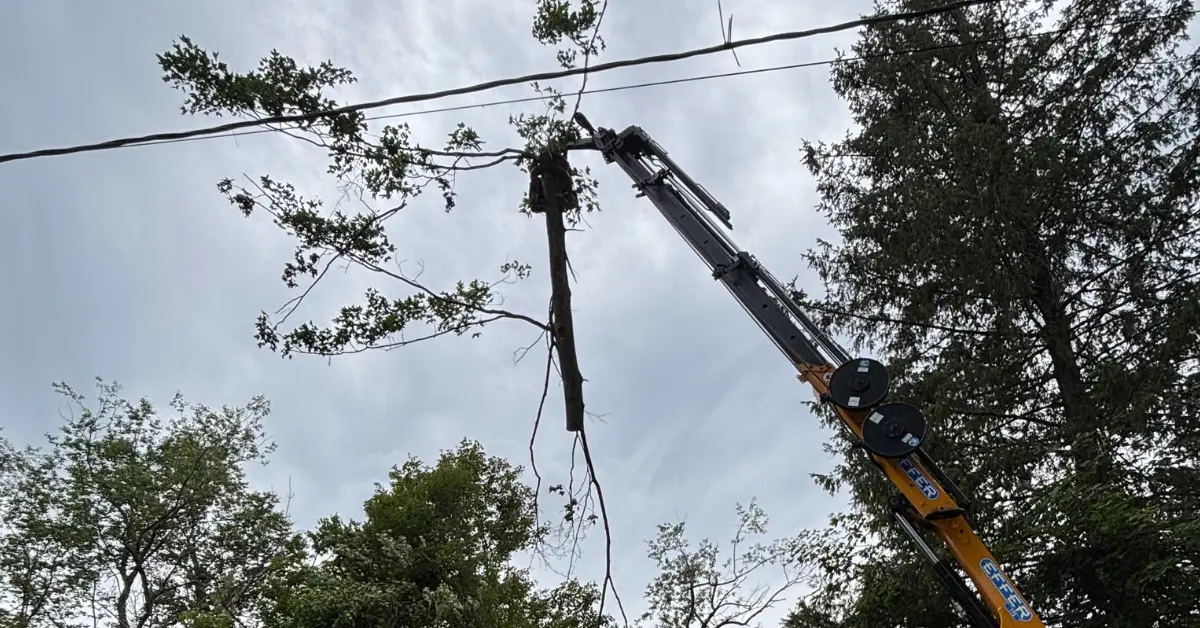
- Utility Lines: Never attempt to prune trees near power lines. This is extremely dangerous and must be handled by utility companies or qualified arborists trained for such work.
- Professional Licensing: While not always a specific pruning permit, hiring a licensed and insured arborist is crucial for compliance and safety. Top Notch Tree Care ensures all work meets local standards.
Why Choose Top Notch Tree Care for Your Pennsylvania Pruning Needs
When it comes to expert tree care in Pennsylvania, choosing the right arborist makes all the difference. Top Notch Tree Care stands as a premier service provider, bringing unparalleled expertise and commitment to every project.
- Local Expertise: Our team has deep knowledge of Pennsylvania’s diverse tree species and climate, ensuring pruning is timed and executed perfectly for your specific trees.
- Licensed & Insured Arborists: We employ Licensed & Insured professionals who understand tree biology, growth patterns, and the latest pruning techniques.
- Safety First Approach: We prioritize safety for our crew, your property, and your trees, using proper equipment and adhering to industry best practices.
- Comprehensive Services: From precise structural pruning to hazardous limb removal and meticulous cleanup, we handle all aspects of tree care.
- Customer-Focused Service: We address common pain points like clear communication, competitive pricing, and thorough cleanup, ensuring a seamless experience.
- Fully Insured: Top Notch Tree Care is fully insured, providing you with peace of mind knowing you’re protected.
- Proactive Maintenance: We help you develop a long-term tree care plan, preventing issues before they become major problems. Contact Us today for a consultation.
Frequently Asked Questions
Is winter a good time to prune trees in Pennsylvania?
Yes, pruning during the dormant season (late fall to early spring) is generally best for most deciduous trees in Pennsylvania. This minimizes sap loss, reduces stress, and allows trees to heal quickly before new spring growth begins. It also makes structural issues easier to spot without foliage.
How much does tree pruning typically cost in Pennsylvania?
Pruning costs in Pennsylvania vary widely based on tree size, type, location, and complexity of the job. Expect to pay anywhere from $200 for small tree shaping to over $2,000 for large, hazardous tree pruning or removal. Getting a detailed estimate from a professional arborist is always recommended.
Do I need a permit to prune or remove a tree in Pennsylvania?
It depends on your municipality. Many Pennsylvania cities and boroughs require permits for tree removal, especially for significant trees or those in protected areas. Always check with your local government’s planning or public works department before undertaking major tree work.
Can I prune my own trees, or should I hire a professional?
While minor pruning of small branches can be a DIY task, large cuts, high branches, or trees near power lines require professional expertise. Improper pruning can permanently damage or even kill a tree, and poses significant safety risks. Consult an arborist for anything beyond basic maintenance.
When should I avoid pruning trees in Pennsylvania?
Avoid major pruning during late summer and early fall in Pennsylvania. Trees are actively growing and storing energy for winter, so large cuts during this period can stress them, increase susceptibility to pests and diseases, and hinder their ability to withstand cold temperatures.
When is the best time to prune flowering trees in PA?
For flowering trees like dogwoods or crabapples, prune immediately after they finish blooming. This allows you to enjoy their flowers while ensuring you don’t remove the buds for the following year. For structural pruning, the dormant season is still often preferred.
Final Thoughts: Pruning Pennsylvania Trees the Right Way
Understanding the best time to prune trees in Pennsylvania is crucial for their long-term health and your property’s safety. By aligning your pruning schedule with the natural cycles of your trees and Pennsylvania’s climate, you prevent stress, encourage strong growth, and avoid costly mistakes. For expert guidance and reliable service that respects local conditions and regulations, trust Top Notch Tree Care. Our Licensed & Insured arborists are ready to assess your trees and provide tailored solutions. Contact us today to schedule a consultation and ensure your trees receive the best care.